
Human-Centered Design & Development
My approach to design and development begins with observing people, identifying unmet needs, and exploring how an experience, product, or system could work better. Over the years, I have translated these observations into physical products, interventions, service concepts, and educational approaches, developing and refining them through practical use, testing, and feedback.
Gemcomb®
Physical Product Design & Development
The idea for Gemcomb® began in 1991, when I noticed that many people felt unhappy with their hair and wanted to create something that represented special, loving attention toward it. During a train journey, the image of a rose quartz comb came to me, with the idea of bringing love and light to people’s hair. I had the first rose quartz comb made, beginning a development process that eventually led to a refined product design, a range of ten gemstone combs, and commercialization from 2004 to 2020.

Original Rose Quartz Gemcomb® 1991

Packaging and presentation 2004–2020
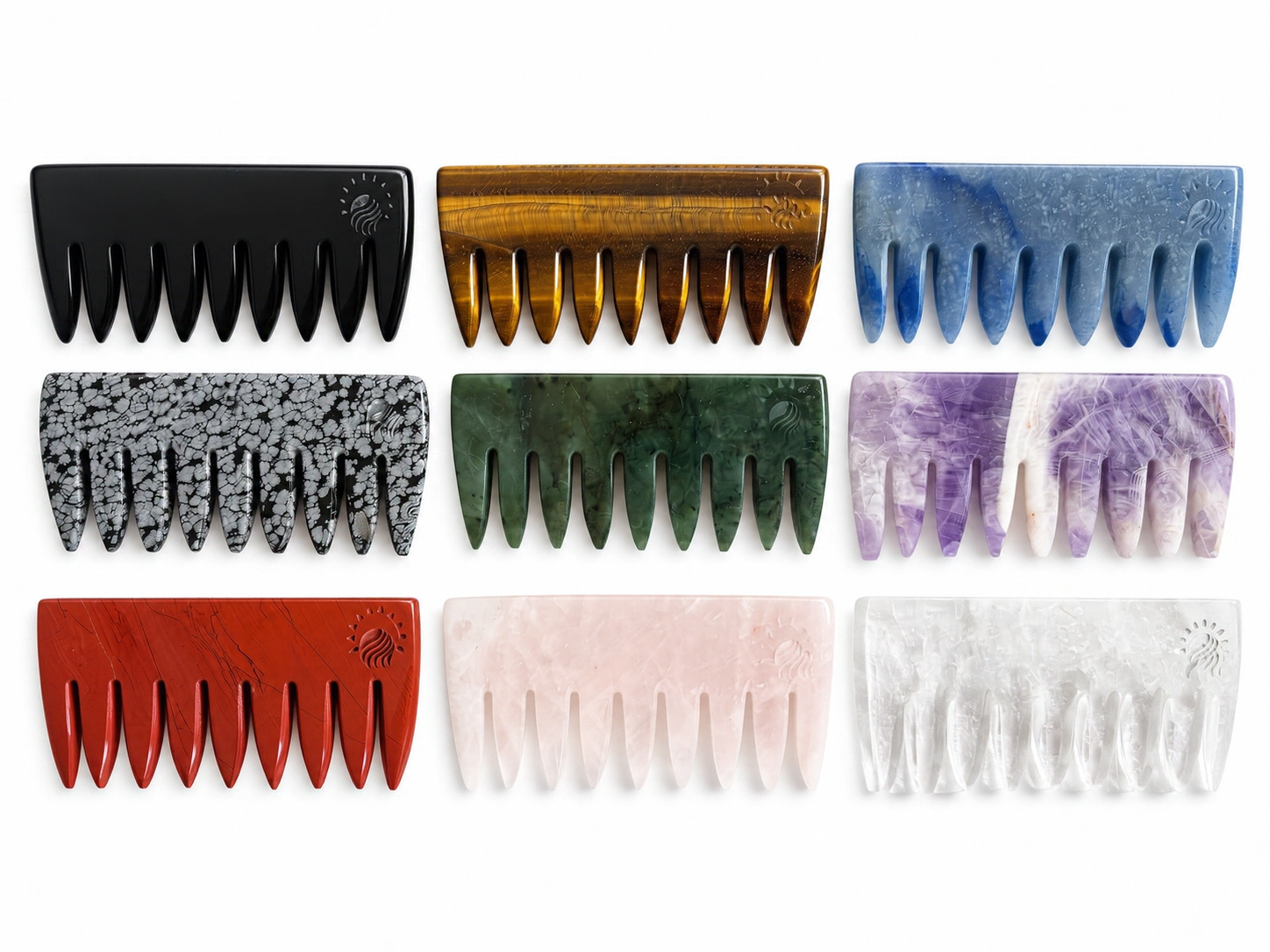
Gemcomb® product group
My Hair Cape
Human-Centered Product Design
The idea for My Hair Cape began with my own discomfort with having something fastened around my neck. Over years of working with thousands of clients, I noticed significant differences in how they experience a conventional hair cape. While many people barely notice it, others are highly sensitive to pressure, tightness, or having something wrapped closely around their neck.
I designed My Hair Cape with a front zipper, giving clients more control over putting it on, adjusting it, and taking it off. The front opening also changes the visual frame around the hair. Conventional capes often sit high and close around the neck, which can make hair appear longer than it actually is and make judging the intended haircut length more difficult.
The cape was also designed as a personal item that clients could own and bring to the salon. This addressed concerns about shared capes, including residual hair, fragrances, and other substances, while reducing the need for repeated washing.
Finally, I introduced different colors rather than treating black as the default. A contrasting cape can make dark or wet hair easier for the hair professional to see, while allowing clients to choose a color they feel comfortable and beautiful in when they see themselves in the salon mirror.
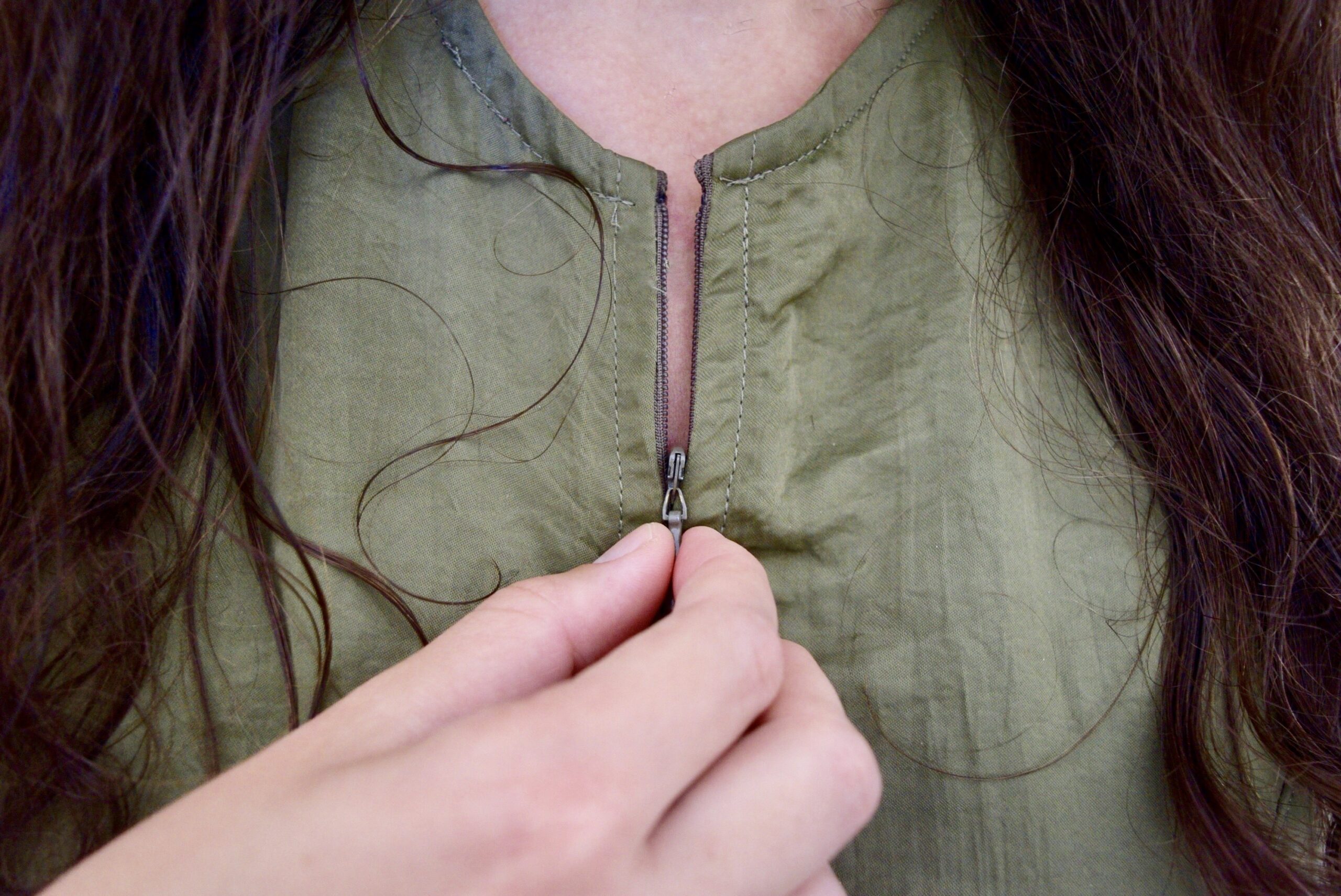
Mindfulness-Based Hair Appointment
Intervention & Experience Design
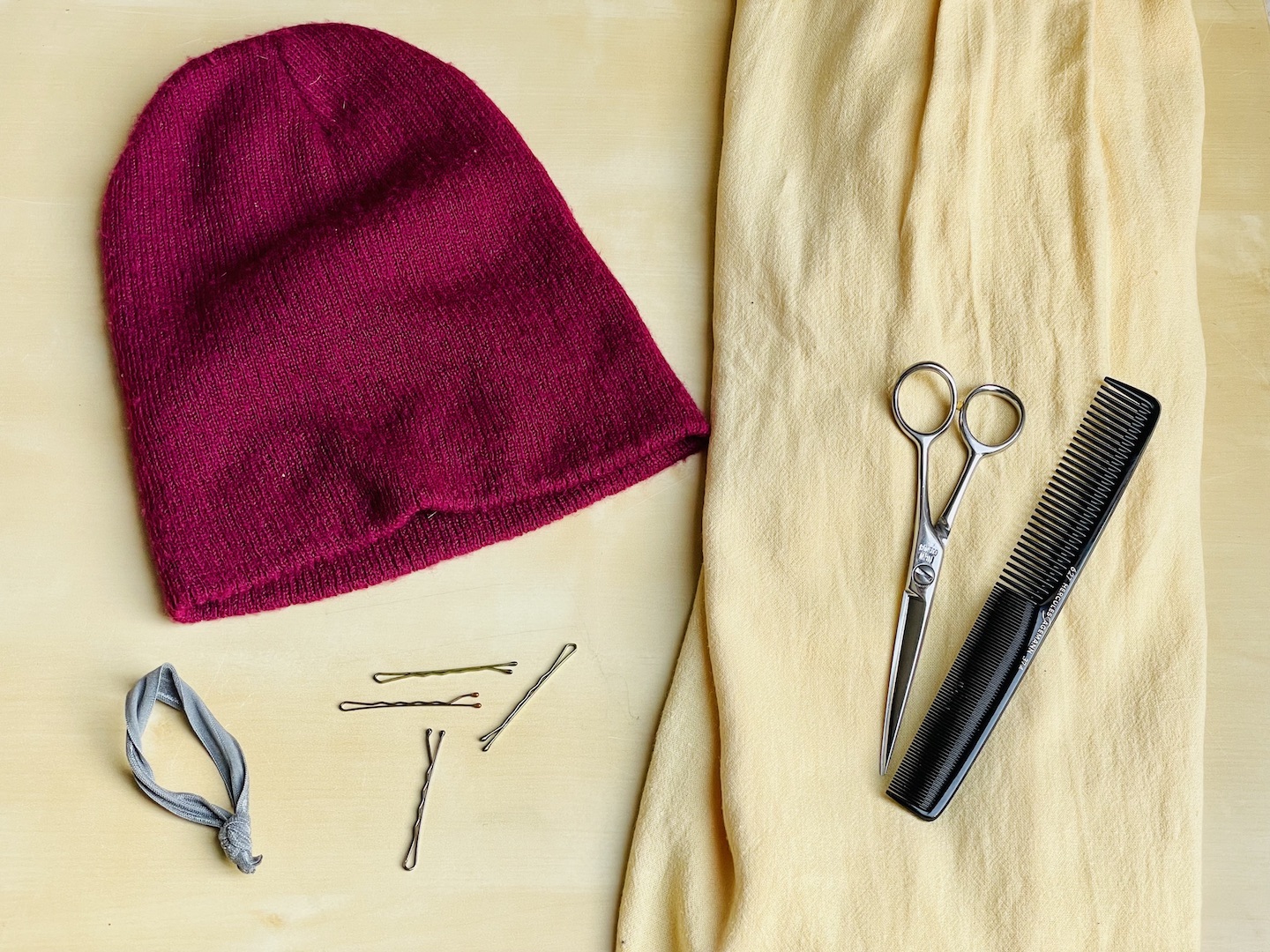
A hair appointment brings two people together in a situation that can require considerable trust. For someone who hides thin or bald areas under a hat, beanie, or carefully arranged hair, uncovering the hair and letting someone else see and touch it can feel particularly vulnerable.
Through my involvement in BFRB communities, I learned that some people affected by Hair-Focused Repetitive Behavior Disorders avoid hair salons altogether. For my doctoral research, I designed a mindfulness-based hair appointment intended to make this experience more accessible, supportive, and comfortable.
The appointment combined an informed hair professional with a consultation phase, privacy, and choices that gave the client greater control over the experience. Clients could participate in decisions about the haircut and choose, for example, whether they wanted conversation or silence, music or no music, and whether or not they wanted to look in the mirror. The approach aimed to create an environment in which professional hair care, individual preferences, and the vulnerability associated with HFRBDs could all be taken into account.
©2026 Linda Hollatz | contact@lindahollatz.com